


Step-by-Step Guide to Orchard Farming in India
Jul 9, 2025 | 6 Mins Read


Introduction
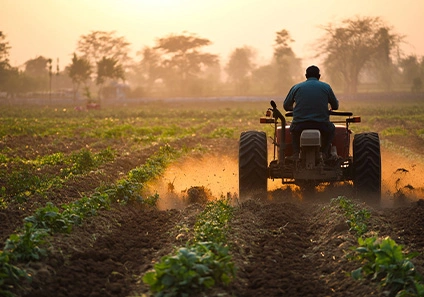
Orchard farming-often called fruit farming-is a promising and rewarding agricultural opportunity in India. Thanks to the country's diverse climate and fertile soils, farmers can grow a wide variety of fruits, making it a sustainable and profitable venture. This blog walks you through the entire process of starting an orchard farm in India, from initial planning to final harvest.
1. Picking the right location:
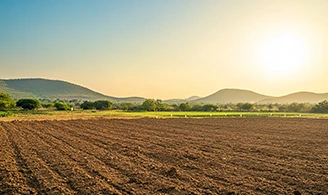
The success of your orchard largely depends on where you set it up. Keep these factors in mind:
- Climate: Choose a location with weather conditions that suit the fruit you plan to grow. Apples and pears do well in cooler areas, while fruits like mango and banana thrive in warmer climates.
- Soil: Test the soil for fertility, drainage, and pH levels. Most fruit trees prefer loamy, well-drained soil with a neutral pH.
- Water: Ensure a steady water supply for year-round irrigation.
- Accessibility: Choose a spot that's easy to reach for transporting materials and harvested fruits.
2. Selecting suitable fruit trees:
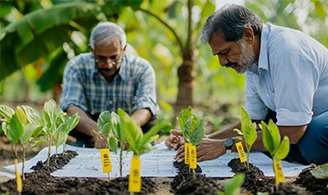
Choose your fruit trees based on local climate, soil conditions, and market demand. Here are some popular options:
- Mango: Best suited to tropical or subtropical areas.
- Apple: Grows well in cooler, temperate climates.
- Banana: Needs a hot and humid environment.
- Guava: Adaptable to both tropical and subtropical zones.
- Citrus: Prefers warm climates with moderate rainfall.
3. Preparing the land:
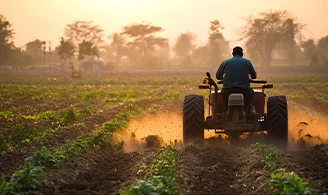
Proper land preparation sets the foundation for a thriving orchard:
- Clear weeds, rocks, and debris from the area.
- Plough the soil 30–40 cm deep to enhance aeration and drainage.
- Mix in organic matter like compost or manure to enrich the soil.
- Level the ground to ensure even water distribution.
4. Planting your trees:
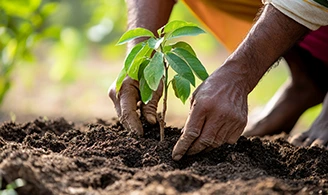
For successful planting, follow these basic steps:
- Dig holes twice as wide as the sapling's root ball.
- Place the sapling in the hole and spread the roots evenly.
- Refill the hole with soil, firm it gently, and water well.
- Mulch around the base to keep moisture in and weeds out.
5. Irrigation and water management:
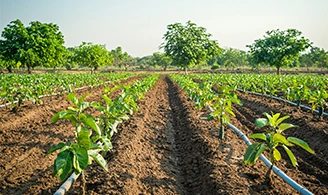
Consistent watering is crucial to orchard health:
- Install drip irrigation to deliver water efficiently and conserve resources.
- Water regularly, especially during dry periods and critical growth phases.
- Avoid waterlogging by ensuring proper drainage.
6. Fertilization and soil health:
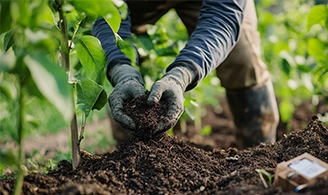
Healthy soil leads to healthy trees and good yields:
- Periodically test the soil to check nutrient levels.
- Apply fertilizers as needed, using the right quantities at the right times.
- Use organic fertilizers-like compost and manure-to improve soil structure and fertility.
7. Pruning and training the trees:
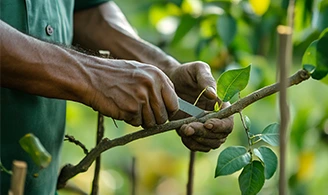
These practices help boost yield and keep trees in good shape:
- Prune young trees to form a solid structure early on.
- Remove any dead, damaged, or diseased branches.
- Thin crowded areas to improve airflow and sunlight exposure.
- Support growing trees with stakes or trellises as needed.
8. Pest and Disease Control:
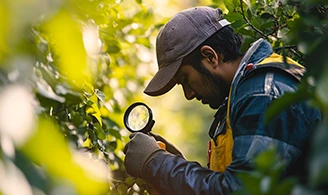
Keeping your orchard free from pests and diseases is key:
- Inspect regularly for signs of trouble.
- Use integrated pest management (IPM) techniques, including biological controls and targeted treatments.
- Maintain orchard cleanliness by removing fallen leaves and fruits.
- Opt for disease-resistant plant varieties where possible.
9. Harvesting and Post-Harvest Care:
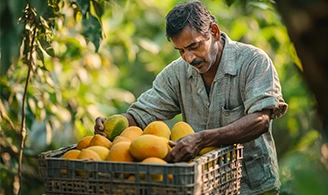
Handle your fruit with care to maintain its quality and shelf life:
- Pick fruit at the right time-look at size, color, and taste.
- Handle gently to avoid bruising or damage.
- Sort and grade the fruit by size and quality.
- Store in a cool, dry space.
- Use proper packaging and transportation to reduce spoilage and maintain freshness.
10. Marketing and Selling Your Produce:
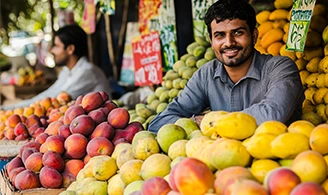
Good marketing can boost your profits significantly:
- Identify your target markets-local, wholesale, or online.
- Create a marketing strategy with clear pricing, distribution, and promotion plans.
- Build a network of buyers, retailers, and suppliers.
- Consider exploring digital platforms for wider reach.
Conclusion
Orchard farming in India is a high-potential, sustainable venture. With careful planning, smart practices, and a bit of hard work, you can build a successful orchard and enjoy the rewards of producing fresh, high-quality fruit. Whether you're a beginner or an experienced farmer, this step-by-step guide is your path to a fruitful harvest and a thriving business.
Recent Articles
Tag Cloud
Connect With Us


Jun 30, 2025
Jul 10, 2025

You May Also Like
- Read More
 Which is the Best Tractor for Farming in India?
Farming tractors are the essential companions of farmers; these robust machines help them work...
- Read More
 Choosing the Right Tractor for Groundnut Farming
Groundnut, or peanut, is grown in five states of India, namely Andhra Pradesh, Gujarat, Tamil Nadu, Karnataka, Rajasthan and Maharashtra.
- Read More
 Mahindra’s Tractor’s Potato Farming Guide
Paddy farming is one of India’s most prevalent farming methods that use small, flooded fields to cultivate rice.
- Read More
 Why Buy a Mahindra 275 DI XP Plus Tractor: Mileage, Features & Specs
The Indian Tractor market is unique—farmers are looking for an all-rounder tractor that satisfies all their needs while being affordable and powerful. One such tractor that meets the demands of Indian farmers is the Mahindra 275


 Not happy
 Could be better
 It's okay
 Good
Good Excellent